
Professor Dr. Ruth Banomyong Delivers Special Lecture on “Developing Regional Economic Corridors to Position Thailand as the Center (Thai Centrality) of Southeast Asia” at the NeEC Strategic Seminar
On August 3, 2025, Professor Dr. Ruth Banomyong, Head of Center of Excellent in Connectivity at the Faculty of Commerce and Accountancy, Thammasat University, was invited as a distinguished speaker to deliver a special lecture entitled “Developing Regional Economic Corridors to Position Thailand as the Center (Thai Centrality) of Southeast Asia” at the Strategic Seminar on the Northeastern Economic Corridor (NeEC) held at the Northeastern Science Park Administrative Building 1, Khon Kaen Province.
The lecture underscored the strategic concept of “Thai Centrality”, which envisions Thailand’s role as a pivotal hub for regional connectivity. This role spans five core dimensions: physical and digital infrastructure, diplomatic convening power, economic integration, regional security cooperation, and cultural influence. The aim is to elevate Thailand as a proactive and influential actor in regional cooperation frameworks, reinforcing the principle of ASEAN Centrality while expanding Thailand’s leadership within the Indo-Pacific region.
The session also featured key findings from the ongoing research project, which assessed both the current (as-is) and future (to-be) development status of economic corridors across Southeast Asia. A particular focus was given to the NeEC, where over 40 development projects with a combined investment value exceeding THB 497 billion have been identified. Simulation models project that such interventions could raise the average GPP growth in the region by 13.63% by 2037, highlighting the transformative impact of coordinated investments.
In addition, Professor Banomyong proposed the development of several strategic policy tools, including: A simulation-based scenario model for assessing policy impacts, A cross-border Connectivity Score framework, and The creation of a Thai Centrality Index (TCI) to measure and monitor Thailand’s regional leadership and influence.
He also emphasized the need for institutional innovation through the establishment of the Thailand Centrality Development Committee (TCDC), aimed at ensuring inter-agency policy coherence and effective implementation. Financing mechanisms would include blended models combining public budgets, private sector participation, and multilateral development funding. This lecture provided critical insights into positioning the NeEC as a strategic engine for Thailand’s regional engagement, reinforcing the country’s vision of becoming a central node for logistics, diplomacy, and economic integration in Southeast Asia.
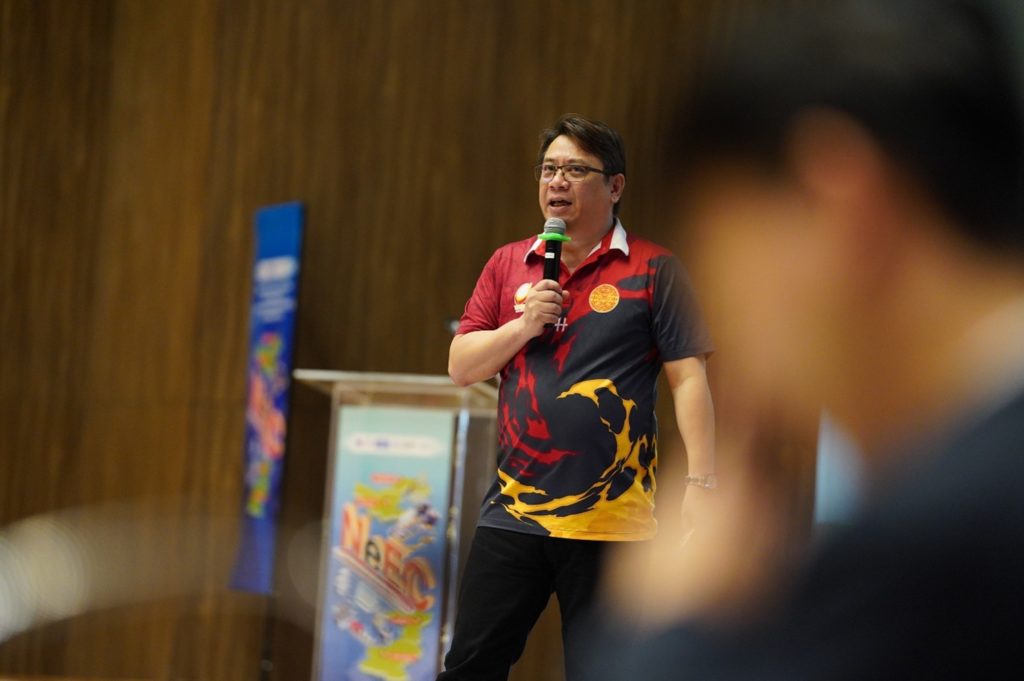

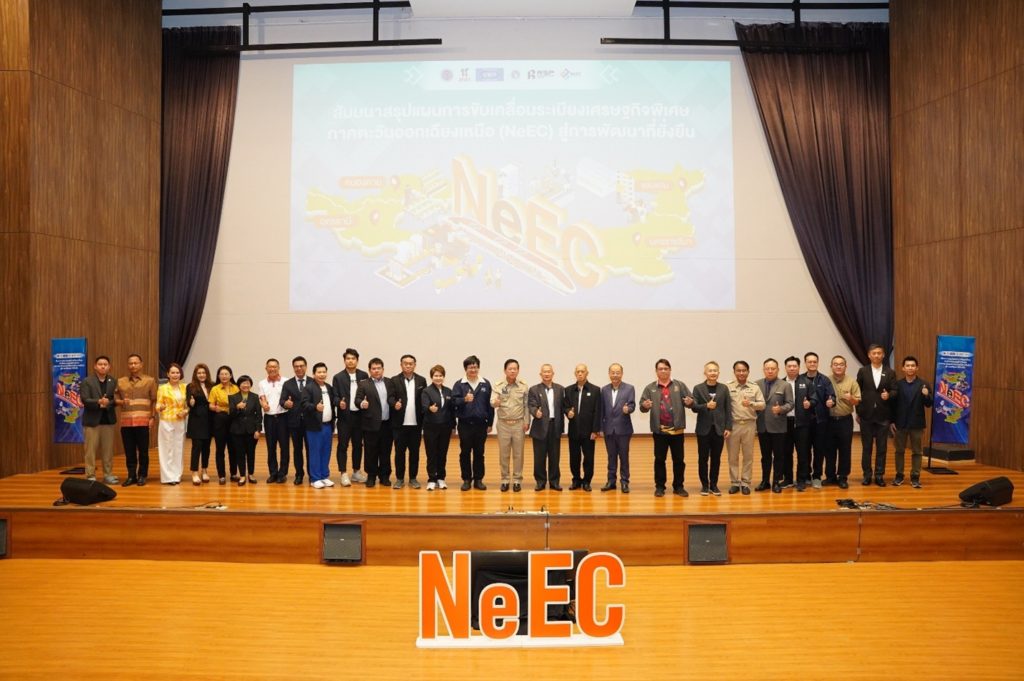
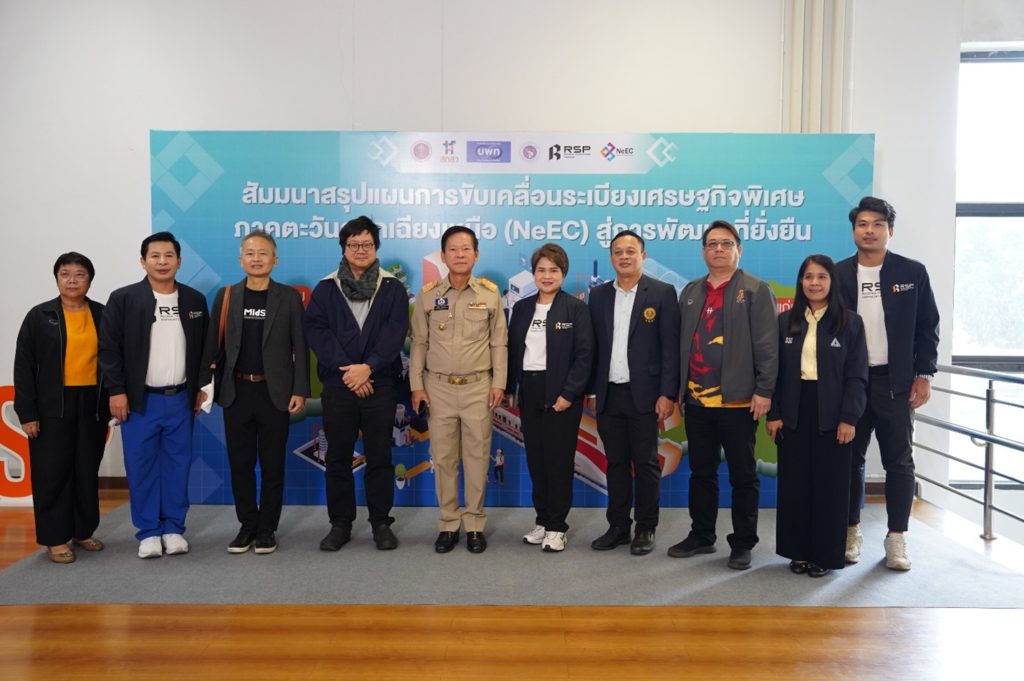
เมื่อวันที่ 3 สิงหาคม 2568 ศาสตราจารย์ ดร.รุธิร์ พนมยงค์ หัวหน้าโครงการวิจัยแห่งศูนย์ความเป็นเลิศด้านการเชื่อมโยง คณะพาณิชยศาสตร์และการบัญชี มหาวิทยาลัยธรรมศาสตร์ ได้รับเกียรติเชิญเป็นวิทยากรบรรยายพิเศษในหัวข้อ “การพัฒนาระเบียงเศรษฐกิจภูมิภาคเพื่อสร้างไทยเป็นศูนย์กลาง (Thai Centrality) แห่งเอเชียตะวันออกเฉียงใต้” ภายในงานสัมมนาสรุปแผนการขับเคลื่อนระเบียงเศรษฐกิจพิเศษภาคตะวันออกเฉียงเหนือ (NeEC) สู่การพัฒนาอย่างยั่งยืน จัดขึ้น ณ อาคารอำนวยการอุทยานวิทยาศาสตร์ภาคตะวันออกเฉียงเหนือ จังหวัดขอนแก่น
การบรรยายดังกล่าวได้เน้นย้ำถึงแนวคิด “Thai Centrality” ซึ่งหมายถึงบทบาทของประเทศไทยในการเป็นศูนย์กลางการเชื่อมโยงในระดับภูมิภาค ทั้งในด้านกายภาพ การทูต เศรษฐกิจ ความมั่นคง และอิทธิพลทางวัฒนธรรม โดยมีจุดมุ่งหมายเพื่อผลักดันประเทศไทยให้เป็นผู้ขับเคลื่อนสำคัญของความร่วมมือในเอเชียตะวันออกเฉียงใต้ ผ่านการบูรณาการเชิงยุทธศาสตร์กับแนวคิด ASEAN Centrality
ภายในงานยังมีการนำเสนอผลการศึกษาจากโครงการวิจัยฯ ที่มุ่งวิเคราะห์สถานะการพัฒนาของระเบียงเศรษฐกิจในภูมิภาค ทั้งในมิติการเชื่อมโยงโครงสร้างพื้นฐาน กฎระเบียบ และศักยภาพทางเศรษฐกิจ โดยเฉพาะพื้นที่ NeEC ซึ่งได้รับการบรรจุแผนงานและโครงการพัฒนากว่า 40 โครงการ มูลค่ารวมกว่า 497,000 ล้านบาท โดยการจำลองสถานการณ์พบว่า GPP ของจังหวัดในพื้นที่จะเติบโตเฉลี่ยสูงถึง 13.63% ภายในปี 2580 หากมีการดำเนินโครงการตามแผนที่วางไว้
นอกจากนี้ ศ.ดร.รุธิร์ ยังได้เสนอแนวทางพัฒนาเครื่องมือสนับสนุนนโยบาย ได้แก่ การพัฒนาแบบจำลองสถานการณ์ (Simulation Model), การประเมินคะแนนความเชื่อมโยง (Connectivity Score) และการจัดทำดัชนีชี้วัด Thai Centrality Index (TCI) รวมถึงการจัดตั้งคณะกรรมการพัฒนา Thai Centrality (Thailand Centrality Development Committee – TCDC) เพื่อให้เกิดความสอดประสานเชิงนโยบาย และการระดมทุนผ่านรูปแบบ Blended Financing จากภาครัฐ เอกชน และสถาบันการเงินพหุภาคี
การบรรยายครั้งนี้มีความสำคัญต่อการผลักดันการพัฒนา NeEC ให้เป็นกลไกขับเคลื่อนยุทธศาสตร์การเชื่อมโยงในระดับภูมิภาค โดยสอดคล้องกับเป้าหมายการวางตำแหน่งประเทศไทยเป็นศูนย์กลางแห่งเอเชียตะวันออกเฉียงใต้ทั้งในด้านโลจิสติกส์ การทูต และเศรษฐกิจอย่างแท้จริง