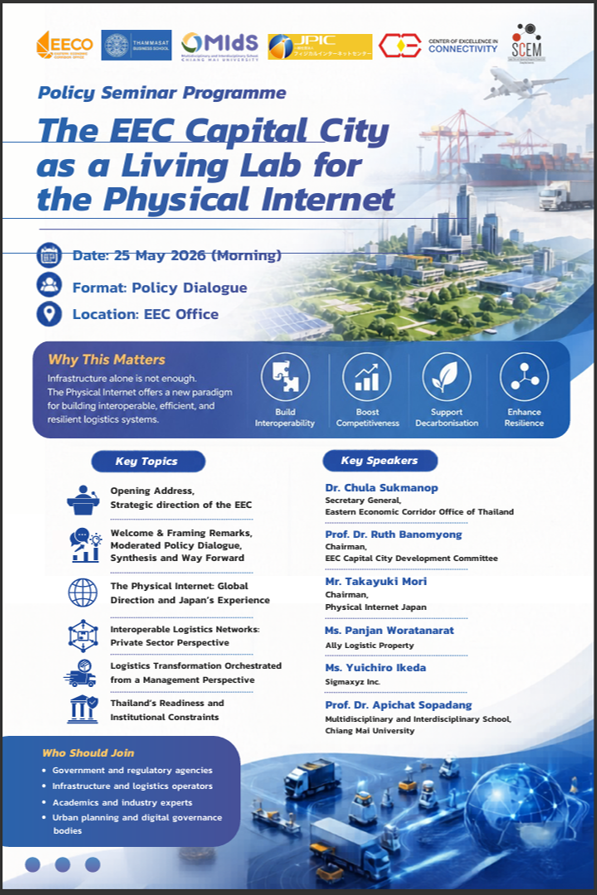
The Eastern Economic Corridor (EEC) represents Thailand’s most ambitious economic transformation initiative. The proposed EEC Capital City offers a rare greenfield opportunity to align infrastructure, institutional design, and regulatory architecture from the outset. Experience globally demonstrates that infrastructure investment alone does not guarantee logistics performance. Congestion, duplicated warehousing, underutilised transport assets, and fragmented distribution networks frequently emerge when physical capacity is developed without coherent flow architecture. Retrofitting interoperability after fragmentation has occurred is costly and politically complex. The strategic question is therefore not only how to build infrastructure, but how to design the architecture of flows. The Physical Internet (PI) provides a structured framework for addressing this challenge. Inspired by the logic of digital networks, PI promotes modularity, interoperability, shared logistics nodes, and coordinated routing across firms. It is not a single platform or a technology project; it is a governance and system design concept for organising physical movement more efficiently.
For the EEC Capital City, selective application of PI principles could:
Improve asset utilisation across logistics operators
Reduce last-mile congestion
Support decarbonisation objectives
Enhance resilience and flexibility
Increase overall competitiveness
The Capital City presents three unique advantages:
Greenfield Design: Infrastructure and zoning decisions can integrate flow architecture before path dependence sets in.
Regulatory Flexibility: The EEC framework enables controlled experimentation through sandbox mechanisms.
National Demonstration Potential: A successful pilot could inform broader urban logistics reforms across Thailand.
A White Paper will be prepared under the coordination of the EEC Capital City Development Committee, in consultation with relevant agencies, for internal policy consideration. The discussion is exploratory in nature and does not constitute a commitment to implementation. This initiative aligns with Thailand’s logistics competitiveness, digital economy, and decarbonisation objectives. It also positions the EEC Capital City as a regional testbed for interoperable logistics innovation.
Participants
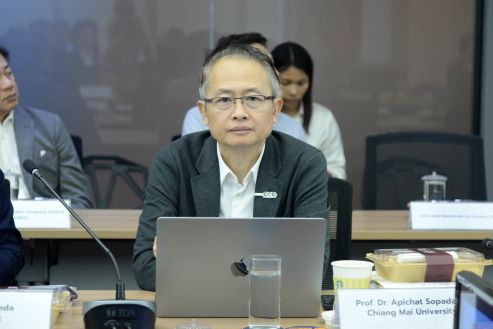
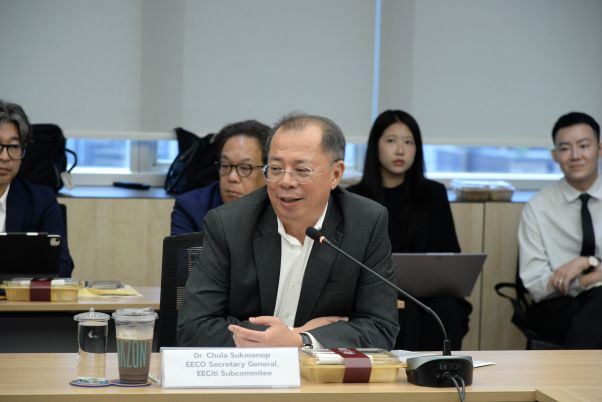
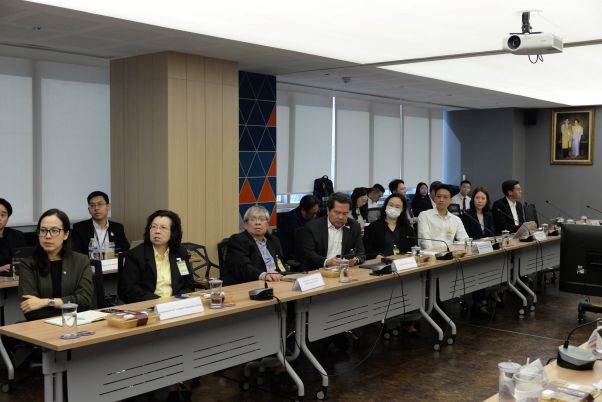
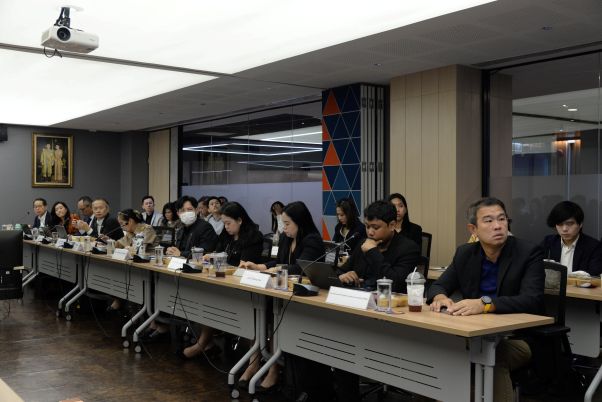
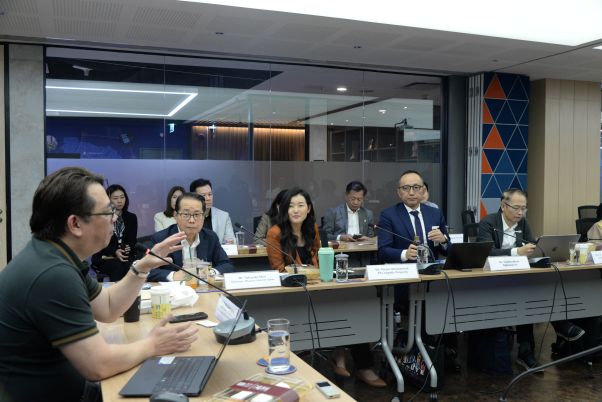
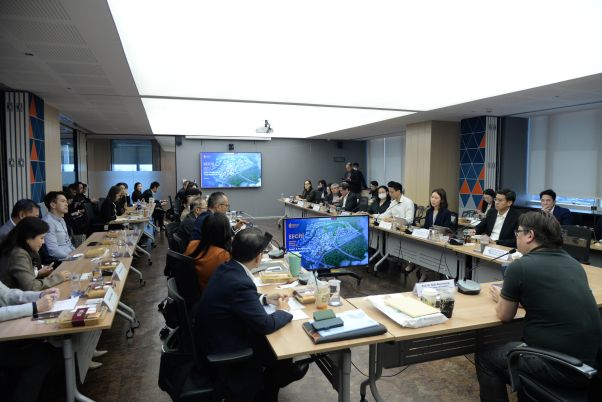
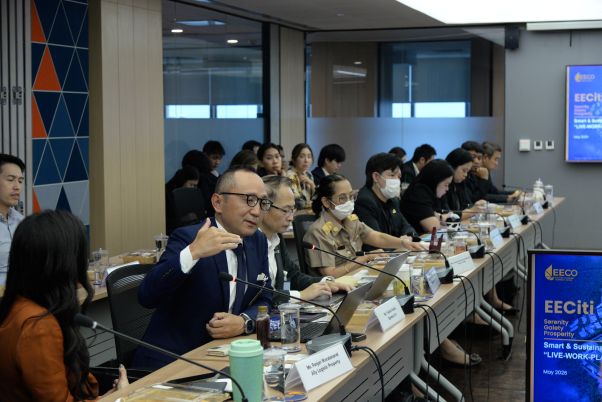
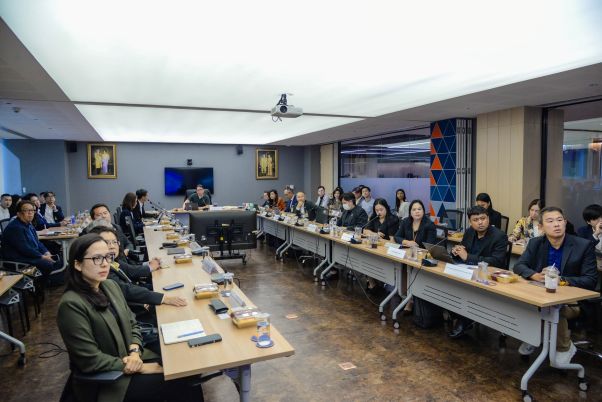
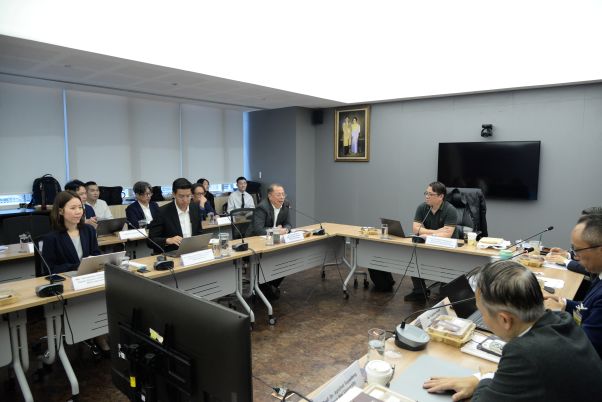
The seminar will be conducted as a curated, invitation-only policy dialogue to ensure focused and substantive discussion. Participants will include representatives from:
Eastern Economic Corridor Office of Thailand (EEC Office)
EEC Capital City Development Committee
Relevant infrastructure and regulatory agencies (including transport, ports, rail, customs, and digital governance authorities)
Urban planning and smart city development bodies
Private sector logistics operators and platform providers
International Physical Internet experts
Academic specialists in logistics systems and interoperability
Participation is designed to ensure balanced representation across policy, regulatory, operational, and technical perspectives. The objective is to enable practical discussion grounded in institutional realities and market feasibility.
Meeting Materials
Welcome & Framing Remarks
Prof. Dr. Ruth Banomyong Chairman, EEC Capital City Development Committee