
Introduction
Developing economic corridors is an ongoing policy discussion topic in Continental Southeast Asia, including Cambodia, the Lao People’s Democratic Republic (Lao PDR), Malaysia, Myanmar, and Viet Nam. These nations have actively established national, bilateral, and regional economic corridors to promote economic growth, enhance trade, attract investment, and foster regional integration. Economic corridors are strategic instruments designed to link production, trade, and infrastructure physically and economically in specific geographic areas. By connecting economic agents along defined geographies, economic corridors can promote economies of scale, reduce trade and transport costs, and stimulate economic growth in connected regions.
Economic corridors serve as conduits for regional economic development, offering benefits that include improved infrastructure, increased trade, and enhanced investment opportunities. They are integral to the broader vision of economic integration and cooperation in Southeast Asia, aiming to bridge development gaps, enhance connectivity, and support sustainable development. These corridors typically encompass highways, railways, ports, and other critical infrastructure components that facilitate the movement of goods, services, and people across borders. As such, they are physical constructs as well as dynamic economic networks driving regional growth and development.
This project and accompanying book seek to establish a baseline understanding of how economic corridors are introduced in different target countries, how they are developed and implemented, and lessons learned from this implementation. The project team presents a cross-country analysis of challenges in developing economic corridors in their respective countries and necessities for successful implementation. To better understand the stages of economic corridor development, it is useful to consider the typology of corridors as defined by Banomyong (2008):
- Transport Corridor (Level 1): physically links an area or region, providing the fundamental infrastructure necessary for connectivity.
- Multimodal Transport Corridor (Level 2): physically links an area or region by integrating diverse transport modes, enhancing connectivity and efficiency.
- Logistics Corridor (Level 3): Beyond physical linkages, harmonizes the institutional framework to facilitate efficient movement and storage of freight, people, and related information, improving overall logistics performance.
- Economic Corridor (Level 4): The most advanced stage, attracts investment and generates economic activities along less developed areas or regions. This stage requires that physical linkages and logistics facilitation are already in place to support economic growth.
Each stage represents progress in complexity and impact of the corridor, moving from simple physical connectivity to fostering economic development and integration. This typology provides a framework for understanding the varying levels of corridor development in Continental Southeast Asia and the specific challenges and strategies associated with each level.
To effectively identify and address these challenges, the conceptual model depicted below in Figure 1 will be used throughout this book. The model illustrates key components necessary for regional connectivity, which are critical for successful development of economic corridors: infrastructure, institutional framework, service providers, and shippers/consignees.
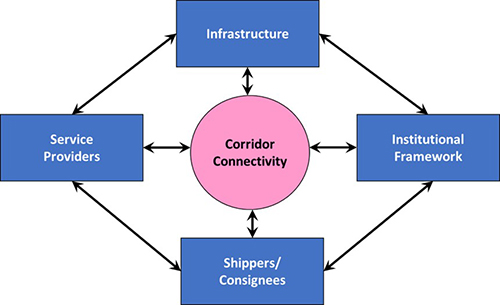
Figure 1 Corridor Connectivity Components
(Source: Adapted from Banomyong (2008)
Implementing economic corridors poses significant challenges: addressing hard and soft infrastructure gaps, harmonizing regulatory frameworks, and ensuring effective coordination among diverse stakeholders. Hard infrastructure gaps pertain to physical aspects, such as building and maintaining roads, railways, ports, and energy networks. Whereas soft infrastructure gaps involve institutional and regulatory frameworks requiring alignment to facilitate cross-border trade and investment. Overcoming these challenges requires strategic investment, comprehensive policy reform, and strengthened national and regional cooperation. This involves financial investment as well as capacity building, policy harmonization, and creating conducive environments for private sector participation.
This book explores the current state of economic corridor development in five continental Southeast Asian countries that are also members of the Greater Mekong Subregion (GMS), a development initiative encompassing nations surrounding the Mekong River in Southeast Asia. GMS comprises Cambodia, China (specifically Yunnan Province and Guangxi Zhuang Autonomous Region), Lao PDR, Myanmar, Thailand, and Viet Nam. The GMS program was established in 1992 with the support of the Asian Development Bank (ADB) to enhance economic cooperation and development among these countries by:
- Promoting regional economic integration and cooperation.
- Improving infrastructure connectivity, such as roads, railways, ports, and airports.
- Facilitating cross-border trade and investment.
- Enhancing environmental sustainability and management.
- Promoting social development and reducing poverty.
The GMS focuses on different sectors, including transportation, energy, telecommunications, environment, human resource development, tourism, agriculture, and trade facilitation. A key component of the GMS initiative is to develop economic corridors designed to boost economic growth by improving infrastructure and connectivity in, and between, member countries. These corridors aim to link production, trade, and infrastructure networks to promote economic activities and regional integration.
Each chapter provides in-depth analysis of these economic corridors being developed within specific national contexts, key challenges encountered, and strategies and policies needed to successfully implement them. The chapters offer conclusions and lessons learned to guide policymakers, development partners, and other stakeholders engaged in regional economic corridor development. Presenting a holistic view of each national approach, the book seeks to promote deeper understanding of the complexities and opportunities associated with economic corridor development. Key topics covered include:
- an introduction to each country’s economic corridors, providing context on the nation and its economic corridors. This section sets the stage for understanding the unique geographical, economic, and political contexts that shape national approaches to economic corridor development.
- national, bilateral, regional, and international economic corridor development with detailed descriptions of economic corridors at different levels. This includes specific infrastructure projects, strategic goals, and anticipated economic impacts.
- challenges to economic corridor development, comprising infrastructure, institutional, logistics service provision, and private sector issues. Obstacles faced by each nation range from funding shortages and logistical bottlenecks to regulatory hurdles and governance questions.
- strategies to overcome challenges: exploring the role of stakeholders, priorities, and policy recommendations. It highlights successful case studies, best practices, and innovative proposed or implemented solutions.
- summary of lessons learned and corridor benefits: highlighting key takeaways and potential benefits of economic corridors. This section synthesizes insights from each chapter, providing a comparative analysis to identify common themes, successful strategies, and areas for future focus.
The book presents a cross-country comparative analysis to enhance understanding of critical elements required for effective economic corridor development. By showcasing experiences and strategies of different states, this book offers a wide-ranging guide for developing robust economic corridors to drive sustainable, inclusive, and mutually beneficial economic growth in continental Southeast Asia. Comparative analysis helps to identify unique strengths and challenges for each nation while highlighting opportunities for collaboration and mutual learning.
In conclusion, more than just about building infrastructure, developing economic corridors involves creating a cohesive economic framework to foster regional cooperation and development. This book unites collaborative efforts of several nations striving toward a common goal of regional prosperity. It is hoped that the findings and recommendations presented here will contribute to more informed decision-making and accelerate progress toward realizing the full potential of economic corridors in continental Southeast Asia. The success of these corridors depends on sustained commitment and cooperation from all stakeholders, including governments, international organizations, the private sector, and local communities. Through collective effort and shared vision, economic corridors may transform the region into a thriving, interconnected, and prosperous economic hub.